-- No items so far --
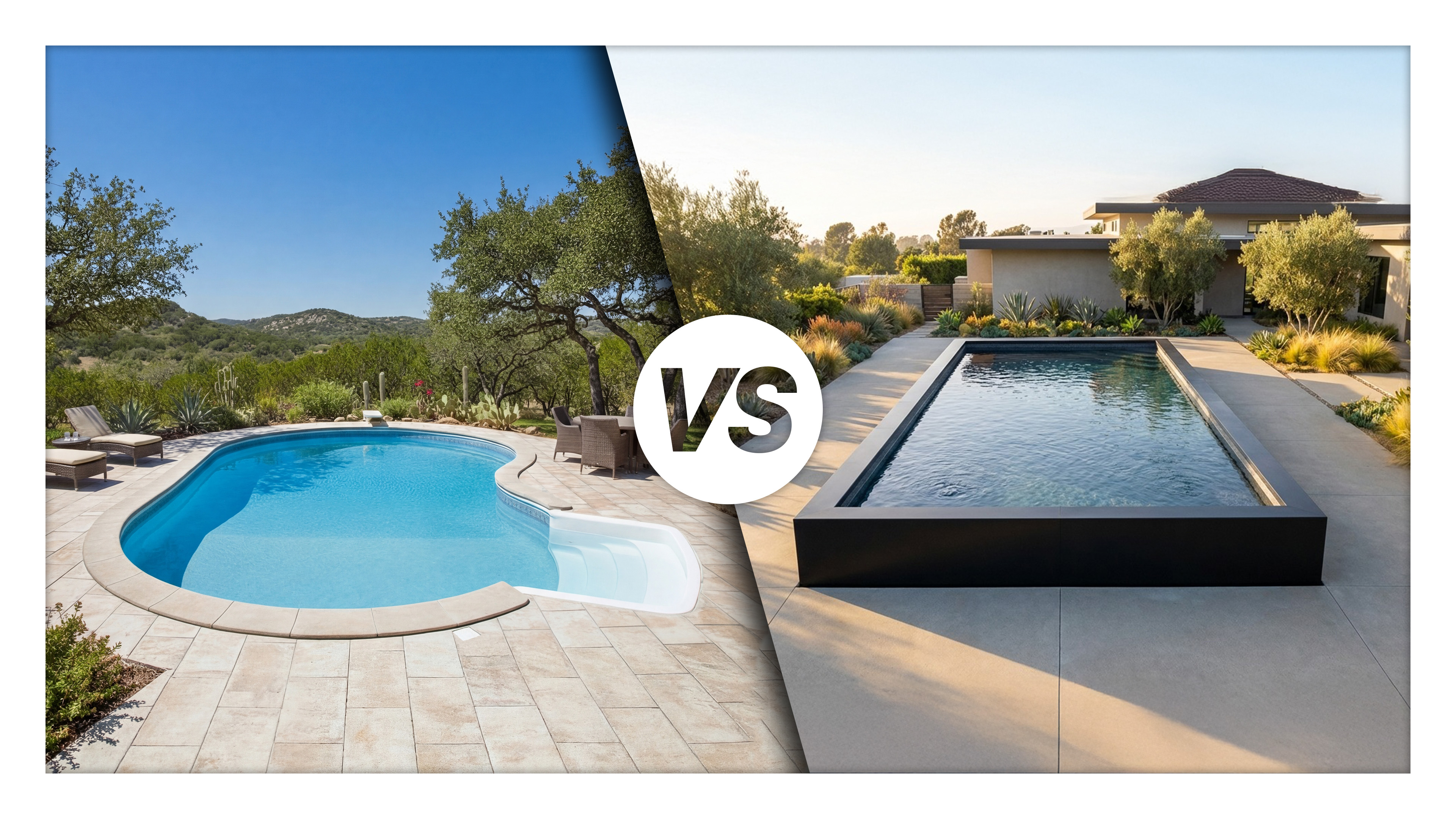
In-ground vinyl-liner pools built on steel-wall kits have been a go-to for budget-conscious buyers for decades. But what looks affordable on paper unravels once you factor in the on-site build circus, liner replacement cycles, zero insulation, and the reality that your "finished" pool is really just the beginning of a long maintenance timeline.
If you want to avoid the chaos, swim sooner, keep your water warmer, and own a pool that still looks modern a decade from now, Ecopool S-Series is the clear upgrade over a steel-wall vinyl-liner pool.
This comparison lays out exactly why — and makes the choice obvious.
These are the realities vinyl-liner buyers tend to discover after the backyard is already torn up.
Walls, braces, base, liner, and backfill are assembled entirely on site. That means you're exposed to weather delays, multi-trade scheduling conflicts, and weeks of living in a construction zone.
The consumer-grade vinyl liner is far thinner than S-Series' reinforced membrane (S-Series is 60–70 mil), making it significantly easier to nick, tear, or puncture during normal use.
Liners are consumables. The color and pattern date the pool over time, and replacement is not a question of "if" but "when" — a recurring expense baked into vinyl ownership.
Base settlement and groundwater pressure can telegraph through the finish, leaving visible wrinkles and footprints that are difficult to correct without a full liner replacement.
UV exposure and pool chemistry age the printed surface over time. What looked vibrant on day one gradually washes out.
Vinyl liners dislike prolonged draining. Groundwater management is critical — and if it isn't handled properly, the liner can float, shift, or wrinkle.
Standard steel-wall kits aren't designed to live fully on-ground the way S-Series is. If you want an above-ground or semi-inground installation, vinyl isn't engineered for it.
A thin steel wall plus backfill does not create a thermal envelope. Shoulder-season comfort suffers, and heater run-times climb — a stark contrast to S-Series' insulated walls (R-8.5–R-10).
Excavation, soil spoils, and deck tie-ins turn a pool project into a broader site disruption — and a bigger cleanup bill.
Once a steel-wall vinyl pool is buried, you don't move it. S-Series is designed around easy transport widths (≤ 8'-6") and can be relocated by qualified riggers if life changes.
| Dimension | Ecopool S-Series | Steel-Wall Vinyl-Liner |
|---|---|---|
| Where it can go | Inground, on-ground, or semi-inground | Primarily inground (not engineered for full on-ground exposure) |
| On-site time | 1–3 days (factory-finished) | Multi-week on-site build, weather-sensitive |
| Finish | Commercial-grade architectural membrane (up to 70 mil), heat-welded | Thin single-layer liner; a consumable finish |
| Thermal | Insulated wall system R-8.5–R-10 | No integral insulation |
| Maintenance | Non-porous surface → less brushing & chemicals | Liner care + pattern aging; eventual replacement |
| Logistics | Ships at ≤ 8'-6" width (no oversize), economical to move | Built in place; effectively permanent |
| Factory % complete | 90–95% done before arrival | 0% — everything assembled on site |
S-Series installs inground, on-ground, or semi-inground. That means you can avoid excavation altogether — huge in rock markets and tight yards — or go semi-inground to ride slopes elegantly. Vinyl steel-wall kits are engineered for in-ground burial; they don't serve as architectural on-ground statements the way S-Series does.
Time to swim: S-Series places and commissions in 1–3 days because it's factory-finished. You don't live in a construction zone — you swim.
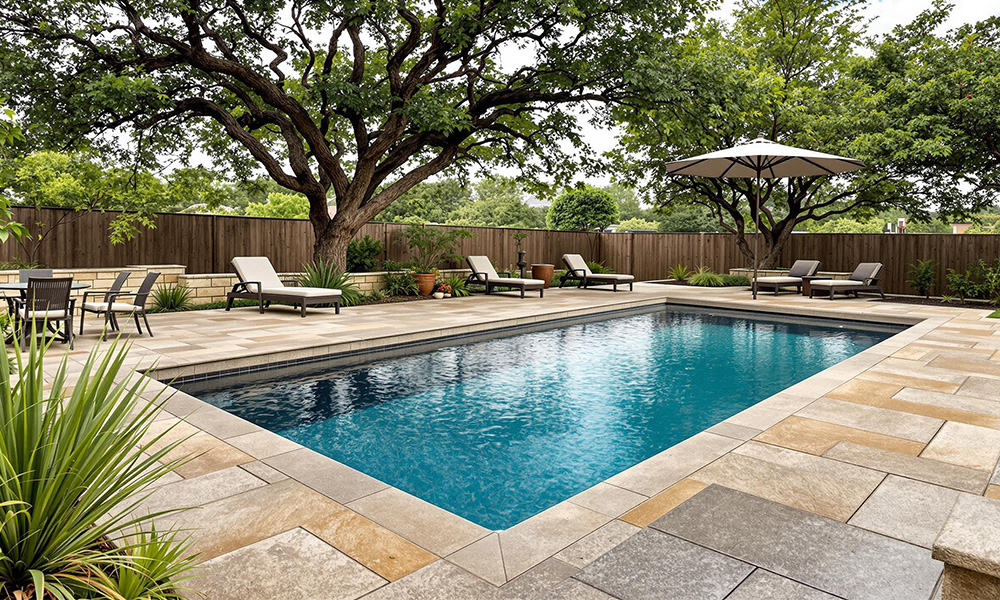
The S-Series interior is a smooth, non-porous architectural membrane that resists algae attachment and reduces chemical demand — exactly why commercial operators use the same material in high-volume public facilities.
Vinyl liners are smoother than plaster, but they're thin, decorative films that age, stain, and require eventual replacement. The S-Series surface stays cleaner with less chemical babysitting — a fundamentally easier ownership experience.
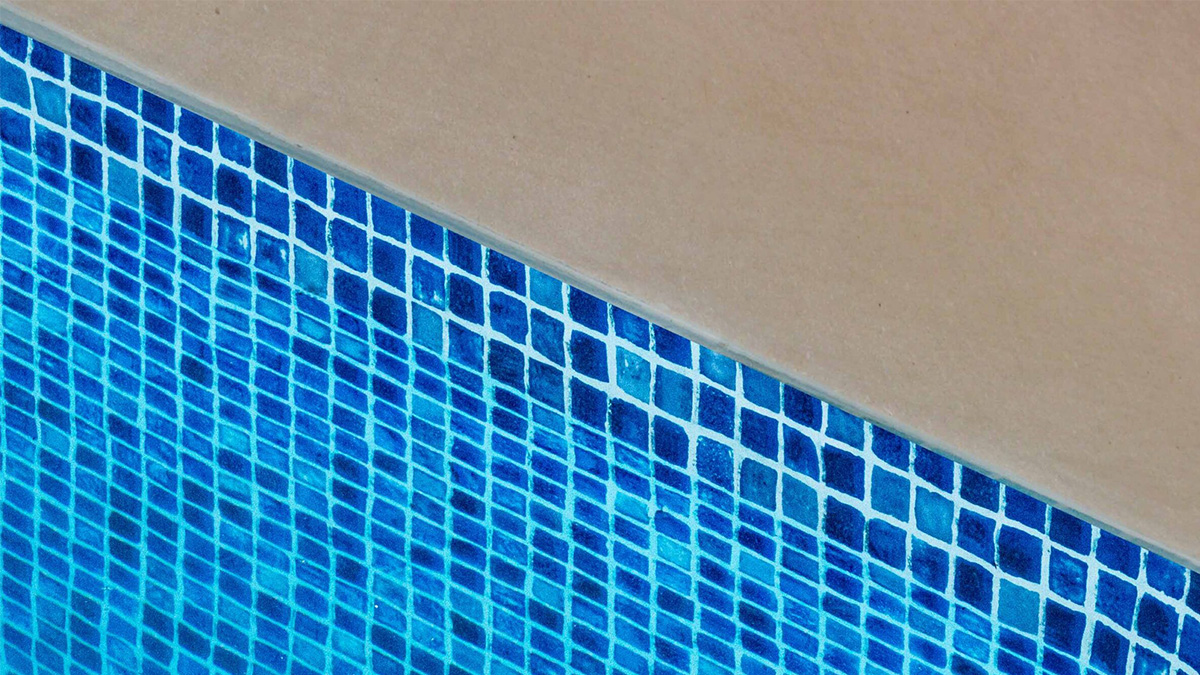
Thin steel walls and backfill don't insulate. S-Series walls are a true thermal envelope (R-8.5–R-10), so water loses far less heat overnight and stays crisper in August. In practice, that means fewer heater cycles, more shoulder-season days you'll actually use the pool, and lower energy bills.
| Metric | S-Series | Vinyl-Liner (Steel-Wall) |
|---|---|---|
| Wall R-value | 8.5–10 | No integral insulation |
| Overnight heat loss | ~0.4–0.6 °F | Typically higher without insulation |
The difference is most obvious in spring and fall — exactly when you want to extend your swim season without watching your energy bill climb.
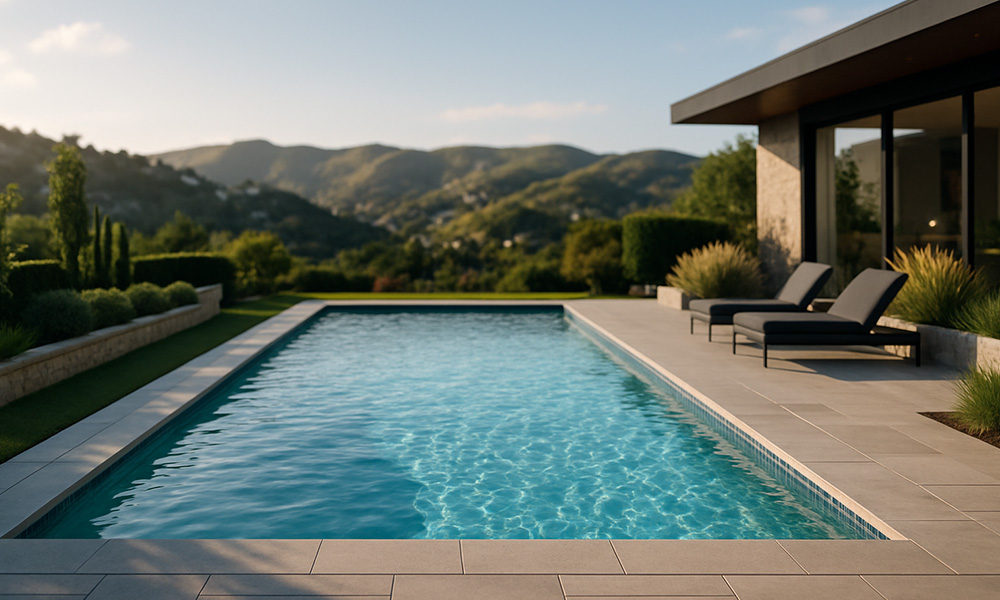
S-Series uses a high-strength rectangular-tube steel frame (≈ 80,000 psi yield) with a 2″ insulated core, then finishes with the German-engineered membrane. Structure and finish are optimized separately — modern engineering that tolerates seasonal movement and delivers real stiffness.
Membrane spec: up to 70 mil, UV-stable, and heat-welded seams — a commercial-grade system adapted for homes. Compare that to a thin consumer liner stretched over a steel-wall frame, and the engineering gap becomes obvious.
Yes, structural steel and hand welding cost more per pound than vinyl and sand — but Ecopool manufactures in a controlled plant, then eliminates the builder/GC markup and multi-sub churn that inflate "site-built" budgets. Homeowners often save $20–50k vs. the traditional route.
| Item | Traditional Site-Built | S-Series (Factory-Built) |
|---|---|---|
| Trades to coordinate | 8–10 | 2–3 |
| On-site timeline | Months | 1–3 days |
| Builder/GC margin | ~40% | $0 (hire local pros direct) |
When you remove the general contractor markup and compress the timeline from months to days, the economics shift dramatically — even before you account for avoided liner replacements down the road.
S-Series modules ship at ≤ 8'-6" width — no oversize permits and no CDL required — so transport is faster and cheaper. That same design makes relocation feasible with a local rigging crew if life changes.
A buried steel-wall vinyl pool is, for practical purposes, permanent. S-Series is a relocatable asset. That distinction matters more than most buyers realize on day one.
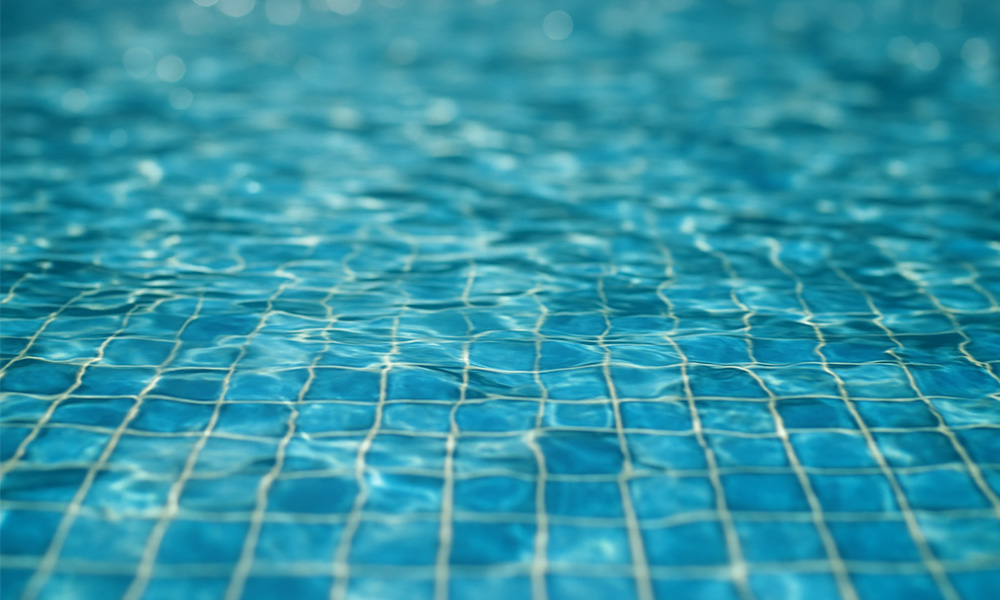
S-Series offers architectural 3D membranes — tiled looks, textures, and designer colors — that read like high-end finishes year after year. Those surfaces are fully recyclable and UV-stable, maintaining their appearance without the fading and chalking that plague vinyl patterns.
Vinyl patterns date quickly. After a few seasons of UV exposure and chemistry, what looked like a crisp tile pattern starts to look like what it is — a printed film. S-Series finishes don't have that problem.
| Spec | S-Series | Vinyl-Liner |
|---|---|---|
| Material | Architectural membrane (German-engineered) | Consumer-grade vinyl film |
| Thickness | Up to 70 mil | Significantly thinner |
| Joining | Heat-welded seams | Bead track / snap-in |
| Sustainability | Fully recyclable | Replaced and discarded on cycle |
| Metric | S-Series | Vinyl-Liner (Steel-Wall) |
|---|---|---|
| Wall insulation | R-8.5–R-10 | None |
| Effect on usage | Fewer heater cycles; better shoulder-season comfort | Higher energy costs; shorter comfortable swim season |
If you value speed, cleanliness, comfort, and future-proofing, Ecopool S-Series beats an in-ground vinyl-liner (steel-wall) pool across the board:
That's less stress now, lower hassle later, and a backyard centerpiece that still looks modern in ten years.